
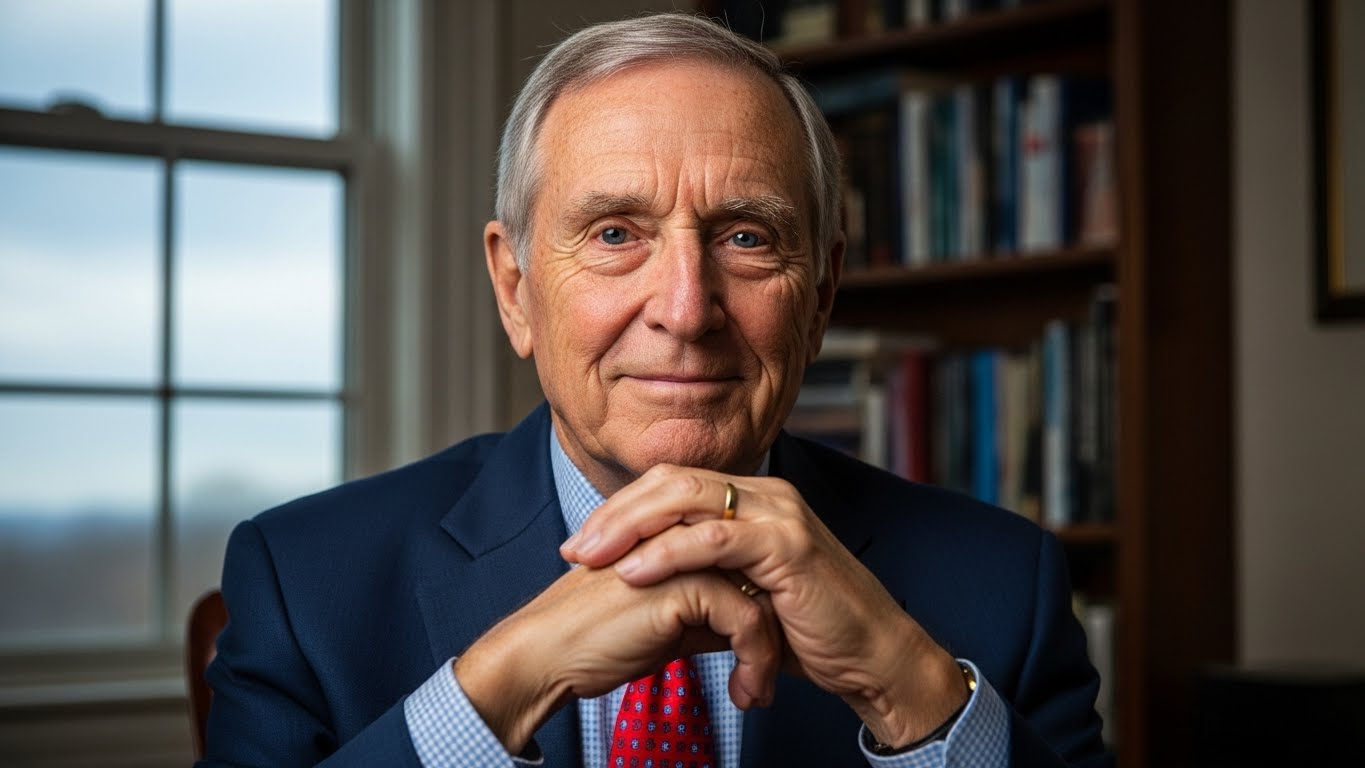
Claude Edward Elkins Jr.: From Railroad Brakeman to Executive Leadership at Norfolk Southern
In the American railroad industry, leadership stories often begin in boardrooms.
Claude Edward Elkins Jr.’s story begins on the tracks.
Long before executive titles and strategic oversight, Elkins worked in one of the most physically demanding roles in rail transportation — a road brakeman. His career path reflects a rare blend of ground-level experience, disciplined leadership, and long-term strategic growth. It is this progression, rather than a single title, that has made Claude Edward Elkins Jr. a respected figure within Norfolk Southern and the broader transportation industry.
At a time when many corporate leaders rise through purely administrative or financial roles, Elkins represents a different model of leadership — one built from operational understanding, continuous education, and adaptability. His journey demonstrates how firsthand experience can shape smarter decision-making at the highest levels of a Fortune 500 transportation company.
Today, Claude Edward Elkins Jr. serves as Executive Vice President and Chief Commercial Officer (CCO) at Norfolk Southern, overseeing critical commercial and logistics operations that support one of North America’s largest freight rail networks. But his current position is best understood by examining where he started, how he advanced, and what values guided his rise.
This article presents a comprehensive, fact-based, and human-centered biography of Claude Edward Elkins Jr. It explores:
-
His early life and formative influences
-
His entry into the railroad industry
-
The step-by-step progression of his career
-
His leadership philosophy and executive impact
-
His role within Norfolk Southern and the rail industry
-
The lasting lessons from his professional journey
By examining his career in detail, we gain insight not only into one individual’s success, but also into the evolving nature of leadership in modern rail transportation.
Why Claude Edward Elkins Jr.’s Career Stands Out
The railroad industry is complex, operationally intense, and unforgiving of inexperience. Decisions made at the executive level directly affect safety, efficiency, customer reliability, and long-term infrastructure investment. Leaders who lack operational understanding often struggle to bridge the gap between strategy and execution.
Claude Edward Elkins Jr. is different.
His leadership is grounded in:
-
Direct operational experience
-
Long-term industry exposure
-
Formal education aligned with logistics and transportation
-
A career built within the same organization over decades
This combination places him among a small group of executives who truly understand railroading from the inside out.
Setting the Context: Norfolk Southern and Modern Rail Leadership
Norfolk Southern is one of the most influential freight rail companies in North America, operating thousands of route miles across key industrial and commercial corridors. Its success depends on precision, safety, and long-term planning — qualities that demand experienced leadership.
As railroads adapt to evolving supply chains, environmental expectations, and customer demands, executives like Claude Edward Elkins Jr. play a critical role in aligning commercial strategy with operational realities.
Understanding his background helps explain why his leadership approach resonates within the industry.
Early Life in Southwest Virginia: The Foundations of Discipline and Work Ethic
Claude Edward Elkins Jr. was shaped long before he entered the railroad industry.
Born and raised in Southwest Virginia, Elkins grew up in a region where work was not abstract and success was not theoretical. Communities in this part of the country were closely tied to industries such as railroads, manufacturing, and resource-based labor. Jobs were demanding, hours were long, and reputations were built on reliability rather than titles.
In this environment, values were learned early — not through lectures, but through daily observation. Showing up mattered. Doing the job right mattered. Respect was earned through consistency and effort.
These principles would later become defining traits of Elkins’s professional life.
Family, Community, and Early Responsibility
Growing up in a close-knit Appalachian community meant that accountability extended beyond the household. People knew one another. Work ethic was visible. If someone failed to follow through, it was remembered.
For Claude Edward Elkins Jr., this environment reinforced the idea that character is demonstrated over time, not announced. Responsibility, punctuality, and resilience were not optional qualities; they were expectations.
This upbringing created a mindset that would later align naturally with the railroad industry — an industry where safety, coordination, and discipline are non-negotiable.
Exposure to the Railroad Culture
In Southwest Virginia, railroads were not distant corporate entities. They were part of everyday life.
Tracks ran through towns. Rail yards supported local economies. Families often had multiple generations connected to railroad work in some form. Even for those not directly employed by rail companies, the presence of rail infrastructure shaped daily routines and regional identity.
This exposure made the railroad industry feel tangible rather than abstract — a place where real people did real work with visible outcomes.
For Elkins, this familiarity would later make the transition into railroad operations feel practical rather than intimidating.
Early Education and Personal Discipline
Claude Edward Elkins Jr.’s early education reinforced the same themes present in his community life: consistency, focus, and personal responsibility.
Teachers recognized his ability to engage thoughtfully with material, particularly in areas that required reading, analysis, and communication. These skills would later become surprisingly important in leadership and executive roles, even though they are often overlooked in operational industries.
Rather than treating education as a separate track from work, Elkins approached learning as a tool — something that could be applied, refined, and expanded over time.
This perspective would eventually influence his academic choices and long-term professional development.
Lessons That Carried Forward
By the time Claude Edward Elkins Jr. reached adulthood, several foundational lessons were firmly established:
-
Hard work precedes opportunity
-
Titles do not replace competence
-
Consistency builds trust
-
Respect is earned through action
-
Learning never truly ends
These values did not fade as his career advanced. Instead, they became more visible — especially as he moved into leadership roles where decisions affected employees, customers, and long-term operations.
Military Service: Leadership, Discipline, and Decision-Making Under Pressure
Before Claude Edward Elkins Jr. ever stepped onto a rail yard as a professional, he experienced an environment where discipline was absolute and accountability was immediate.
His service in the United States Marine Corps became a defining chapter in his personal and professional development. The military did not introduce discipline into his life — it refined it, tested it, and reinforced it under conditions where failure carried real consequences.
For Elkins, this experience would later influence how he approached leadership, risk, and responsibility within the railroad industry.
Why Military Experience Matters in Industrial Leadership
Railroads and military organizations share important similarities:
-
Both operate in high-risk environments
-
Both rely on strict procedures
-
Both demand teamwork under pressure
-
Both require clear chains of command
-
Both place safety above convenience
In the Marine Corps, Elkins learned that leadership is not about authority alone — it is about preparation, consistency, and trust. Decisions must be made quickly, often with incomplete information, while still protecting people and assets.
These lessons would later translate directly into operational and executive roles within Norfolk Southern.
Discipline as a Daily Practice
Military discipline extends far beyond training exercises. It shapes how individuals manage time, respond to stress, and prioritize responsibility.
For Claude Edward Elkins Jr., military service reinforced habits that would serve him for decades:
-
Attention to detail
-
Respect for procedures
-
Emotional control under pressure
-
Accountability to the team
-
Commitment to continuous improvement
In rail operations, where small errors can lead to major consequences, these habits are not just beneficial — they are essential.
Leadership Without Rank
One of the most influential aspects of military service is the development of leadership before formal authority is granted.
Elkins learned that influence is earned through reliability and example, not rank alone. Being dependable, prepared, and calm under pressure often matters more than seniority.
This principle later shaped his approach to leadership in the corporate world. Even as he advanced into executive roles, his credibility remained rooted in competence rather than hierarchy.
Decision-Making Under Pressure
Military environments train individuals to assess situations quickly and act decisively. Delayed decisions can be just as dangerous as incorrect ones.
This mindset would later prove invaluable in the railroad industry, where leaders must balance:
-
Safety requirements
-
Operational efficiency
-
Customer expectations
-
Regulatory compliance
-
Workforce realities
Elkins’s ability to remain composed under pressure became one of his defining leadership traits — particularly as he transitioned into roles with greater responsibility and visibility.
Carrying Military Values into Civilian Life
When Claude Edward Elkins Jr. transitioned from military service into civilian employment, he did not leave these lessons behind.
Instead, he carried forward:
-
Discipline without rigidity
-
Authority without ego
-
Structure without inflexibility
These qualities helped him adapt smoothly into the railroad industry, where rules exist for safety, but judgment is required for leadership.
Entering Norfolk Southern: Life as a Road Brakeman
Claude Edward Elkins Jr. did not enter the railroad industry through a management fast track.
He started where the work is physical, unforgiving, and real — as a road brakeman at Norfolk Southern.
This role placed him directly on the front lines of rail operations. Long hours, unpredictable schedules, and demanding conditions were not exceptions; they were the norm. For many, this position is a job. For Elkins, it became an education.
What a Road Brakeman Really Does
The role of a road brakeman is often misunderstood by those outside the industry.
It involves:
-
Coupling and uncoupling railcars
-
Inspecting equipment for safety
-
Assisting with train movement coordination
-
Working in all weather conditions
-
Maintaining constant situational awareness
Mistakes in this role are not minor. Safety depends on precision, communication, and adherence to procedure.
By performing this work firsthand, Elkins gained a practical understanding of how rail operations function at ground level — knowledge that cannot be learned from reports or spreadsheets.Earning Respect on the Railroad
Railroad culture values competence over credentials.
As a road brakeman, Claude Edward Elkins Jr. earned respect not by announcing ambition, but by showing reliability. He learned to work effectively with engineers, conductors, dispatchers, and yard crews — each role interdependent, each essential.
This experience taught him how trust is built in operational environments:
-
Do your job correctly
-
Support the team
-
Follow procedures
-
Stay calm under pressure
These principles would later guide how he managed teams and evaluated performance.
Learning the System from the Inside
Working at the operational level exposed Elkins to the complex systems that keep railroads moving:
-
Scheduling and dispatch coordination
-
Equipment utilization
-
Safety protocols and compliance
-
Communication across departments
This perspective allowed him to see how decisions made far from the rail yard affect those working on the ground — a lesson many executives never learn.
Why Starting at the Bottom Mattered
Beginning his career as a road brakeman gave Elkins something invaluable: credibility.
Later, when he moved into leadership roles, employees knew he understood their challenges. He had worked the same shifts. Faced the same weather. Followed the same rules.
This shared experience created trust — a critical asset in an industry where cooperation directly impacts safety and efficiency.
A Foundation for Advancement
Elkins’s performance in this role demonstrated more than physical capability. It showed:
-
Attention to detail
-
Willingness to learn
-
Respect for procedure
-
Natural leadership tendencies
These qualities did not go unnoticed. Over time, opportunities for advancement began to emerge — not because of shortcuts, but because of consistency.
From Operations to Management: Building Leadership Inside Norfolk Southern
Advancement in the railroad industry is rarely sudden.
For Claude Edward Elkins Jr., it was earned incrementally, through demonstrated competence, adaptability, and trust. His transition from hands-on operational roles into management did not represent a departure from railroading — it represented a deeper engagement with it.
Moving into leadership meant understanding not only how the work was done, but why decisions were made.
The Shift from Doing to Directing
The move from field operations to management is one of the most challenging transitions in any industrial career.
As Elkins took on supervisory responsibilities, his focus expanded to include:
-
Crew coordination
-
Performance oversight
-
Safety compliance
-
Operational efficiency
-
Conflict resolution
He learned quickly that leadership was not about controlling outcomes, but about creating conditions where others could succeed safely and efficiently.
Applying Operational Experience to Management
Unlike managers who enter railroading from external backgrounds, Elkins brought deep operational insight into every decision.
He understood:
-
The physical demands placed on crews
-
The practical limits of schedules
-
The real-world implications of policy changes
This perspective allowed him to balance company objectives with operational realities — a skill that distinguished him from peers and strengthened his leadership reputation.
Developing People, Not Just Processes
One of Elkins’s defining traits as a manager was his focus on people.
Railroads run on systems, but systems depend on human performance. Elkins prioritized:
-
Clear communication
-
Fair accountability
-
Consistent expectations
-
Coaching over punishment
By fostering trust rather than fear, he built teams that were more engaged, safer, and more reliable.
Navigating Complexity and Scale
As his responsibilities grew, so did the complexity of the challenges he faced.
Management roles required Elkins to coordinate across:
-
Multiple terminals
-
Diverse geographic regions
-
Union and non-union environments
-
Regulatory frameworks
These experiences expanded his understanding of the railroad as a large-scale enterprise, preparing him for future executive responsibilities.
Recognition and Continued Advancement
Elkins’s ability to bridge operations and leadership did not go unnoticed.
He was consistently selected for roles that required:
-
High accountability
-
Strategic thinking
-
Strong interpersonal skills
Each promotion reinforced his reputation as a leader who understood both the numbers and the people behind them.
Laying the Groundwork for Executive Leadership
This phase of his career laid the foundation for everything that followed.
By mastering management at the operational level, Claude Edward Elkins Jr. developed the skills necessary to:
-
Lead at scale
-
Influence strategy
-
Align execution with vision
These capabilities would soon be tested as he moved into senior leadership and commercial roles within Norfolk Southern.
Transitioning into Commercial Leadership: Strategy, Customers, and Growth
For many railroad professionals, operational leadership is the peak of their career.
For Claude Edward Elkins Jr., it became a launchpad.
His transition into commercial leadership marked a significant expansion of scope — from managing trains and crews to shaping how Norfolk Southern engages with customers, markets services, and drives long-term revenue growth. This shift required a new set of skills, but it was rooted in the same principles that defined his earlier roles.
Why Commercial Leadership Matters in Railroads
Railroads are not just transportation systems — they are commercial enterprises.
Every operational decision affects:
-
Customer reliability
-
Contract performance
-
Supply chain efficiency
-
Long-term partnerships
As Elkins moved into commercial roles, he became responsible for aligning customer expectations with operational capabilities — a challenge that demands both technical knowledge and strategic foresight.
Bridging Operations and Customer Needs
What set Elkins apart in commercial leadership was his ability to translate customer demands into operationally realistic solutions.
Because he understood rail operations from the ground up, he could:
-
Set achievable service commitments
-
Anticipate operational bottlenecks
-
Communicate constraints transparently
-
Build trust with customers
This approach reduced friction between commercial teams and operations — a common pain point in large transportation companies.
Strategic Thinking and Market Awareness
In senior commercial roles, Elkins was involved in:
-
Market analysis and demand forecasting
-
Pricing strategy
-
Contract negotiation
-
Customer segmentation
He recognized that long-term success required more than short-term revenue. It required sustainable service models that balanced profitability with reliability.
Customer-Centric Leadership
Elkins emphasized long-term partnerships over transactional relationships.
He encouraged teams to:
-
Understand customer supply chains
-
Anticipate future needs
-
Communicate proactively
-
Resolve issues collaboratively
This philosophy strengthened Norfolk Southern’s reputation as a dependable logistics partner, not just a transportation provider.
Expanding Influence Across the Organization
Commercial leadership required collaboration across departments:
-
Operations
-
Marketing
-
Finance
-
Technology
-
Regulatory affairs
Elkins’s ability to communicate across these functions increased his influence and visibility within the organization. He became known as a leader who could align diverse teams around shared objectives.
Preparing for Executive Responsibility
This phase of his career was critical preparation for executive leadership.
By managing commercial strategy at scale, Elkins demonstrated:
-
Strategic judgment
-
Financial acumen
-
Stakeholder management
-
Long-term vision
These qualities positioned him for one of the most influential roles within Norfolk Southern’s executive team.
Executive Vice President and Chief Commercial Officer at Norfolk Southern
Claude Edward Elkins Jr.’s appointment as Executive Vice President and Chief Commercial Officer (CCO) at Norfolk Southern represents the culmination of decades of operational, managerial, and strategic experience.
This role is not symbolic. It sits at the intersection of revenue, customer trust, and long-term corporate direction.
Scope of the Chief Commercial Officer Role
As CCO, Elkins oversees the commercial engine of one of North America’s largest freight rail networks.
His responsibilities include:
-
Revenue growth strategy
-
Customer relationships and retention
-
Pricing and contract structures
-
Market positioning
-
Commercial innovation
Every decision made at this level has ripple effects across supply chains, industries, and regional economies.
Leading in a High-Stakes Environment
Railroads operate under intense scrutiny.
They must balance:
-
Safety and regulatory compliance
-
Infrastructure investment
-
Environmental expectations
-
Shareholder performance
-
Customer service reliability
Elkins’s leadership style reflects a steady, methodical approach to these pressures. Rather than chasing short-term gains, he focuses on sustainable growth built on operational credibility.
Data-Driven and Experience-Informed Leadership
Modern railroads generate enormous amounts of data. As CCO, Elkins leverages analytics to:
-
Identify market trends
-
Improve service predictability
-
Optimize pricing models
-
Enhance customer insights
What differentiates his approach is the ability to interpret data through the lens of real-world operations. Numbers are never viewed in isolation — they are evaluated against physical capacity, workforce realities, and infrastructure constraints.
Strengthening Customer Trust
Trust is currency in freight transportation.
Elkins emphasizes:
-
Transparent communication
-
Realistic commitments
-
Accountability for service performance
By aligning promises with execution, Norfolk Southern strengthens long-term customer relationships — a critical advantage in competitive logistics markets.
Executive Collaboration and Influence
As part of Norfolk Southern’s executive leadership team, Elkins collaborates closely with:
-
The CEO
-
Operations leadership
-
Finance executives
-
Technology and innovation teams
His role requires aligning commercial objectives with broader corporate strategy, ensuring that growth initiatives support long-term resilience.
Leadership Culture at the Executive Level
Despite his seniority, Elkins remains grounded in the values formed early in his career.
He promotes:
-
Operational awareness among executives
-
Respect for frontline employees
-
Continuous learning and adaptation
This culture helps bridge the gap between corporate strategy and day-to-day execution — a gap that often undermines large organizations.
Industry Impact Beyond Norfolk Southern
As a senior executive in a major Class I railroad, Elkins’s influence extends beyond one company.
His decisions affect:
-
National supply chains
-
Intermodal transportation networks
-
Industrial customers across multiple sectors
This broader impact places him among the most consequential leaders in the contemporary rail industry.
Leadership Philosophy: Grounded, Disciplined, and People-Focused
Claude Edward Elkins Jr.’s leadership is a blend of operational insight, strategic thinking, and people-centered management. Unlike leaders who rely solely on hierarchy or authority, Elkins embodies a philosophy shaped by experience at every level of the railroad industry.
His approach is defined by three pillars: discipline, empathy, and continuous learning.
1. Discipline Rooted in Early Experience
Elkins’s formative years, including military service and frontline railroad work, instilled a strong sense of discipline.
He applies discipline in leadership through:
-
Structured decision-making – Every initiative is analyzed for feasibility and impact before execution.
-
Consistency – Policies are enforced fairly across teams, fostering trust and predictability.
-
Accountability – Clear performance expectations ensure teams know what is required and can take ownership.
This disciplined approach ensures that Norfolk Southern maintains operational excellence, even under pressure.
2. People-Focused Leadership
At the core of Elkins’s philosophy is the belief that people drive performance.
He emphasizes:
-
Empowerment – Teams are trusted to make decisions within their scope, encouraging ownership and initiative.
-
Mentorship – Elkins dedicates time to develop future leaders, fostering a culture of growth.
-
Transparency – Open communication ensures employees understand company goals, strategies, and challenges.
By valuing people alongside processes, he creates an environment where employees are motivated, safe, and aligned with organizational goals.
3. Learning and Adaptability
Claude Edward Elkins Jr. views learning as a lifelong endeavor. He actively seeks new knowledge through:
-
Industry trends and emerging logistics technologies
-
Advanced management programs
-
Feedback from peers, employees, and customers
Adaptability is also key. Railroads face changing markets, regulations, and technologies. Elkins encourages teams to embrace change while maintaining core operational standards.
4. Integrity and Ethical Leadership
Integrity is non-negotiable in Elkins’s philosophy.
He ensures:
-
Ethical practices in customer dealings and contracts
-
Transparent reporting and communication
-
Fair treatment of employees and partners
This ethical grounding not only protects the company’s reputation but also inspires loyalty among employees and customers alike.
5. Customer-Centric Mindset
Elkins believes that leadership is inseparable from customer value creation.
He promotes:
-
Understanding customers’ long-term business goals
-
Anticipating needs proactively
-
Aligning operational capabilities with commercial promises
This approach strengthens Norfolk Southern’s competitive position and fosters trust in its partnerships.
6. Integrating Experience Across Levels
Perhaps the most distinctive feature of his leadership philosophy is integration.
Elkins combines:
-
Ground-level operational knowledge
-
Strategic commercial insight
-
Executive-level vision
This integration allows him to make decisions that are realistic, effective, and sustainable — a combination many executives struggle to achieve.
Key Takeaways for Future Leaders
Claude Edward Elkins Jr.’s leadership philosophy provides valuable lessons for aspiring leaders:
-
Discipline and structure are critical for consistency and accountability.
-
Invest in people; they are the backbone of organizational success.
-
Stay adaptable; change is inevitable, and resilience is essential.
-
Lead with integrity; ethics build long-term trust.
-
Keep the customer at the center of decisions; value creation drives sustainable growth.
By embodying these principles, Elkins demonstrates that leadership is not about position — it is about influence, vision, and impact.
Innovation, Sustainability, and Modern Practices in Railroads
Claude Edward Elkins Jr. is not only a leader in operations and strategy but also a champion of innovation and sustainable practices. In an industry often seen as traditional, his forward-thinking initiatives have helped Norfolk Southern remain competitive, efficient, and environmentally responsible.
1. Driving Operational Innovation
Elkins’s leadership prioritizes process improvement and technology integration:
-
Digital Freight Tracking – By leveraging advanced logistics software, Norfolk Southern improved real-time tracking, reducing delays and increasing customer satisfaction.
-
Predictive Maintenance – Implementing predictive analytics for railcars and locomotives allows proactive maintenance, minimizing downtime and repair costs.
-
Operational Optimization – Streamlining yard operations and cargo loading processes reduces bottlenecks and increases throughput.
These initiatives demonstrate that innovation in railroads is not just about flashy technology — it’s about practical, measurable improvements that enhance efficiency.
2. Sustainability as a Strategic Imperative
Elkins recognizes the environmental responsibilities of modern railroads:
-
Reducing Carbon Footprint – Norfolk Southern has invested in fuel-efficient locomotives, reducing greenhouse gas emissions. Rail transport is already more environmentally friendly than trucking, and Elkins aims to maximize that advantage.
-
Eco-Friendly Logistics – Optimizing routes, improving load capacity, and reducing idle times all contribute to sustainability.
-
Green Partnerships – Collaborating with industries that prioritize environmental standards strengthens both sustainability and customer relations.
Under his guidance, sustainability is treated not as a compliance checkbox but as a competitive differentiator and a long-term strategic advantage.
3. Embracing Technology
Modern railroads operate at the intersection of logistics, technology, and data analytics. Elkins has championed:
-
Automation in Operations – Semi-automated yard switching and smart signal systems improve safety and efficiency.
-
Data-Driven Decision Making – Analytics inform everything from network expansion to customer pricing strategies.
-
Customer-Facing Platforms – Web and mobile tools allow clients to track shipments, schedule deliveries, and communicate directly with Norfolk Southern teams.
These initiatives illustrate a leader who understands that digital transformation is essential to staying relevant in a global transportation market.
4. Enhancing Safety Standards
Safety remains a core focus of Elkins’s modern railroad practices:
-
Employee Safety Training – Continuous professional development ensures that workers adhere to best practices in every operational scenario.
-
Infrastructure Safety Audits – Regular inspections and proactive interventions prevent accidents before they occur.
-
Technology-Assisted Safety – Using AI and sensor technology to monitor tracks and rolling stock enhances accident prevention.
Safety under Elkins is not just compliance-driven; it is cultural, integrated into every team’s daily routines.
5. Industry Collaboration and Thought Leadership
Claude Edward Elkins Jr. also promotes collaborative innovation:
-
Engaging with industry associations to share best practices
-
Partnering with universities and research institutions to pilot new logistics models
-
Mentoring emerging leaders to embrace sustainable and technologically advanced solutions
This proactive approach ensures that Norfolk Southern is not just keeping up with trends — it is helping set them.
6. Balancing Tradition with Modernization
One of Elkins’s most remarkable abilities is balancing heritage and innovation:
-
Preserving core railroad practices that ensure reliability
-
Integrating new technologies and methods without disrupting operations
-
Ensuring employees are trained and engaged throughout transitions
This balance allows Norfolk Southern to evolve without alienating experienced personnel or compromising safety and operational integrity.
Key Takeaways
Claude Edward Elkins Jr.’s approach to innovation and sustainability teaches the following lessons for leaders across industries:
-
Incremental innovation can yield massive operational benefits.
-
Sustainability should align with both ethics and business strategy.
-
Technology adoption must complement, not replace, human expertise.
-
Safety and efficiency are intertwined — one cannot exist without the other.
-
Collaboration with industry peers and emerging talent drives long-term progress.
By championing innovation, sustainability, and modern practices, Elkins demonstrates that even traditional industries like railroads can lead in efficiency, environmental responsibility, and customer satisfaction.
Community Involvement, Mentorship, and Social Responsibility
Claude Edward Elkins Jr. exemplifies leadership that goes beyond corporate success, extending into meaningful contributions to communities, industry mentorship, and social responsibility initiatives. His efforts highlight that true leadership is not only measured by profits but also by the positive impact on people and society.
1. Commitment to Local Communities
Elkins maintains strong ties to communities in Southwest Virginia and beyond:
-
Education Support – He has actively supported scholarships, school programs, and workforce development initiatives, empowering young people to pursue careers in railroads, logistics, and STEM fields.
-
Infrastructure & Safety Programs – Elkins has championed community projects that enhance transportation safety, ensuring that neighborhoods near railroad operations benefit from safer, more efficient infrastructure.
-
Community Engagement – From town halls to public forums, he prioritizes listening to community concerns, ensuring Norfolk Southern’s presence is a positive force locally.
These initiatives showcase that Elkins views corporate leadership as inseparable from social responsibility.
2. Mentorship and Developing Future Leaders
Mentorship is a central pillar of Elkins’s philosophy:
-
Guiding Emerging Talent – He personally mentors young employees, helping them navigate career progression from operational roles to leadership positions.
-
Fostering a Learning Culture – Elkins promotes internal development programs that teach employees critical thinking, strategic planning, and customer-centric decision-making.
-
Inclusive Leadership Development – His mentorship ensures that opportunities are available to diverse candidates, supporting equitable growth in a historically traditional industry.
By investing in people, Elkins ensures long-term organizational resilience and cultivates the next generation of railroad leaders.
3. Board Memberships and Industry Influence
Elkins extends his influence through board memberships and industry advocacy:
-
Georgia Chamber of Commerce – Serving as Vice Chair, he contributes to economic growth initiatives and policy discussions that affect regional and national commerce.
-
National Association of Manufacturers – Influencing manufacturing and logistics policies ensures that railroads align with industry needs and best practices.
-
TTX Company & East Lake Foundation – Board roles allow him to support transportation innovation and community development projects simultaneously.
These positions demonstrate that Elkins’s commitment to social responsibility is strategic, bridging community service and industry advancement.
4. Promoting Diversity, Equity, and Inclusion
Claude Edward Elkins Jr. actively supports initiatives that promote diversity and inclusion within Norfolk Southern and the broader industry:
-
Implementing mentorship programs for underrepresented groups
-
Encouraging equitable access to training and leadership opportunities
-
Advocating for policies that create inclusive workplaces
His efforts ensure that the railroad industry evolves with the values of modern society, making it more accessible and fair for all.
5. Volunteering and Charitable Contributions
Elkins has also contributed time and resources to charitable causes:
-
Supporting STEM education programs for students in rural areas
-
Funding community safety initiatives related to railroads
-
Engaging in disaster relief and emergency response efforts, leveraging Norfolk Southern’s logistical expertise
These actions reinforce his belief that successful leaders give back to society, creating a lasting positive impact beyond the workplace.
6. Creating a Legacy of Service
By combining mentorship, community engagement, and social responsibility, Elkins sets an example for current and future leaders:
-
Leadership is not just about personal achievement, but about creating opportunities for others.
-
Corporate success should be aligned with societal benefit, ensuring sustainable growth for communities and employees.
-
Mentorship and education initiatives create a ripple effect, where knowledge and experience are passed down to future generations.
His approach ensures that his influence extends far beyond Norfolk Southern, shaping the industry and communities alike.
Key Takeaways
Claude Edward Elkins Jr.’s dedication to community and mentorship teaches important lessons:
-
Leadership includes social responsibility — business impact and community welfare are intertwined.
-
Mentorship multiplies influence — empowering others ensures long-term organizational and personal legacy.
-
Diversity and inclusion are crucial — fostering equitable opportunities strengthens organizations and society.
-
Community engagement is strategic and human-centered — understanding local needs builds trust and goodwill.
-
Service leaves a lasting legacy — contributions beyond business create enduring value for generations.
Elkins proves that real leadership goes beyond titles and profits, combining professional excellence with meaningful societal contributions.
Lessons from Claude Edward Elkins Jr.’s Life and Career
Claude Edward Elkins Jr.’s journey from a road brakeman to Executive Vice President and Chief Commercial Officer at Norfolk Southern is not just a story of personal achievement—it is a masterclass in resilience, adaptability, and strategic leadership. Each stage of his life provides lessons that aspiring professionals, entrepreneurs, and leaders can apply in their own paths.
1. Start from the Ground Up: Value Every Role
One of the most important lessons from Elkins’s life is the power of starting at the bottom:
-
Beginning as a road brakeman, he learned the core operations of the railroad industry firsthand.
-
Understanding the “frontline” work gave him empathy and credibility when later making executive decisions.
-
Every small role became a stepping stone for future opportunities.
Takeaway: Never underestimate early-career experiences. Even entry-level roles can build skills, understanding, and relationships that pay dividends later.
2. Lifelong Learning and Education Matter
Elkins’s academic journey shows the importance of continuous learning:
-
BA in English → strengthened communication, critical thinking, and analytical skills
-
MBA in Port & Maritime Economics → provided industry-specific knowledge for strategic decision-making
-
Executive programs at Harvard, UVA Darden, and the University of Tennessee → sharpened leadership and supply chain expertise
He demonstrates that formal education combined with on-the-job learning can accelerate career growth.
Takeaway: Invest in yourself through education and continuous skill development. Knowledge empowers better decisions and adaptability.
3. Discipline and Resilience are Non-Negotiable
Elkins’s military service in the United States Marine Corps instilled:
-
Rigorous discipline
-
The ability to perform under pressure
-
A mindset of duty and accountability
These traits transferred seamlessly to the railroad industry, helping him navigate complex operations and high-pressure executive decisions.
Takeaway: Discipline and resilience are foundational to overcoming challenges, whether in the military, corporate, or entrepreneurial worlds.
4. Adaptability Unlocks Opportunities
A defining feature of Elkins’s career is his ability to adapt to different roles:
-
From operations (brakeman, engineer)
-
To marketing and commercial strategy
-
To executive leadership
At each stage, he leveraged his prior experience while learning new skills. His adaptability made him versatile and indispensable within the organization.
Takeaway: Be willing to step outside your comfort zone and acquire new skills. Flexibility often opens doors to opportunities others cannot access.
5. Leadership is About People, Not Just Strategy
Elkins’s leadership style highlights human-centered decision-making:
-
Empathy from frontline experience → better employee relations
-
Transparent communication → building trust across teams
-
Mentorship → empowering future leaders
He shows that leadership is not just about making plans, but about supporting and inspiring people to achieve shared goals.
Takeaway: Prioritize people over titles or authority. Teams perform better when leaders invest in their growth, well-being, and engagement.
6. Integrity Builds Lasting Trust
Throughout his career, Elkins maintained unwavering integrity:
-
Transparent communication with employees, clients, and stakeholders
-
Ethical decision-making, even in high-pressure situations
-
Commitment to fairness in promotions, mentorship, and organizational policies
This integrity strengthened his reputation, making him a trusted leader across the company and industry.
Takeaway: Integrity is a long-term investment. Decisions rooted in ethics and fairness create credibility and lasting influence.
7. Community and Social Responsibility Amplify Leadership
Elkins’s involvement in community initiatives, mentorship programs, and board roles teaches us:
-
Corporate success is magnified when aligned with social impact
-
Mentorship multiplies influence, creating a legacy beyond personal achievements
-
Engaging with communities fosters trust, goodwill, and broader organizational support
Takeaway: True leadership extends beyond your organization—it positively impacts the community, industry, and next generation.
8. Resilience in the Face of Challenges
Elkins faced multiple challenges in his career:
-
Transitioning from physical operational roles to executive positions
-
Learning complex logistics, marketing, and corporate strategy
-
Navigating industry pressures, competition, and economic fluctuations
In each scenario, he demonstrated resilience, problem-solving, and strategic thinking.
Takeaway: Challenges are opportunities in disguise. A resilient mindset turns obstacles into learning experiences and growth opportunities.
9. Strategic Vision Matters
Elkins demonstrates the importance of thinking long-term while managing day-to-day operations:
-
Balancing frontline efficiency with corporate strategy
-
Planning for customer satisfaction, operational growth, and sustainability
-
Integrating innovation and technology into traditional industries
Takeaway: Leadership requires both vision and execution. Think strategically but act operationally.
10. Legacy is Built Through Mentorship and Impact
Finally, Elkins’s life teaches us that legacy is about influence, not just titles:
-
Mentoring employees ensures skills, knowledge, and values are passed on
-
Engaging in social responsibility strengthens industry and community ties
-
Combining professional success with service creates a lasting, multifaceted legacy
Takeaway: Aim to leave the world better than you found it. Your legacy is measured by the lives you impact, not just your personal achievements.
Summary of Key Lessons:
| Lesson | Practical Takeaway |
|---|---|
| Start from the Ground Up | Value every role; foundational experiences matter |
| Lifelong Learning | Invest in education and continuous growth |
| Discipline & Resilience | Face challenges with perseverance |
| Adaptability | Be open to new roles and opportunities |
| People-Centered Leadership | Focus on empowering and inspiring teams |
| Integrity | Make ethical decisions to build trust |
| Community Involvement | Extend leadership impact beyond the company |
| Resilience | Turn obstacles into opportunities |
| Strategic Vision | Balance long-term planning with daily execution |
| Legacy Through Mentorship | Leave a lasting influence on people and society |
Legacy and Long-Term Impact of Claude Edward Elkins Jr.
Claude Edward Elkins Jr.’s career is more than a story of personal achievement; it is a blueprint for leadership, resilience, and transformative impact. From his early days on the railroad tracks of Southwest Virginia to the executive suite at Norfolk Southern, Elkins has left an indelible mark on the industry, the workforce, and the communities he serves. His legacy is multifaceted, spanning operational innovation, employee empowerment, community engagement, and industry-wide influence.
1. Transforming Norfolk Southern’s Corporate Culture
One of Elkins’s most significant contributions is the human-centric approach he brought to leadership:
-
His operational experience allowed him to understand the challenges employees face on the ground.
-
This understanding fostered a culture of empathy, respect, and collaboration, setting a new standard for leadership in corporate America.
-
Under his guidance, Norfolk Southern emphasized mentorship, professional development, and recognition of frontline contributions, helping retain talent and boost employee satisfaction.
Long-Term Impact: A corporate culture that values people as much as performance not only increases productivity but ensures sustainable growth for the company.
2. Advancing Operational Efficiency and Innovation
Elkins’s rise through the ranks gave him a unique vantage point to drive operational improvements:
-
From brakeman to VP of Industrial Products, he implemented process optimizations and safety initiatives that increased efficiency.
-
He championed the integration of modern technologies in traditional railroad operations, including better logistics planning and operational tracking.
-
His vision helped Norfolk Southern balance operational excellence with customer satisfaction, creating measurable improvements in freight delivery timelines and reliability.
Long-Term Impact: These innovations elevated Norfolk Southern’s industry standards and provided a model for operational excellence in the railroad sector.
3. Shaping Leadership in the Railroad Industry
Elkins’s leadership extends beyond his company:
-
He serves as a role model for up-and-coming executives, demonstrating that leadership is grounded in experience, ethics, and education.
-
By mentoring employees and promoting professional development programs, he has cultivated a new generation of railroad leaders who carry forward his values of integrity and innovation.
-
His influence encourages others in the industry to prioritize safety, efficiency, and employee engagement, raising the bar for leadership across companies.
Long-Term Impact: He is leaving behind not just a company but a legacy of leadership practices that others in the industry continue to emulate.
4. Commitment to Safety and Sustainability
Claude Edward Elkins Jr. has been a strong advocate for workplace safety and environmental responsibility:
-
Safety programs initiated or reinforced under his guidance have reduced workplace accidents, improving employee well-being.
-
He promoted sustainable practices in railroad operations, supporting efforts to reduce environmental impact without sacrificing performance.
Long-Term Impact: His commitment ensures that Norfolk Southern operates responsibly, creating a safer environment for employees and a greener footprint for the industry.
5. Influencing Customer-Centric Strategies
Elkins understands that a company thrives when it aligns internal operations with customer needs:
-
His leadership in marketing and intermodal operations ensured that clients received reliable, innovative, and efficient solutions.
-
He established frameworks for customer engagement, feedback, and relationship management that enhanced loyalty and trust.
Long-Term Impact: Norfolk Southern’s strengthened reputation as a customer-focused organization sets a competitive standard and drives long-term business growth.
6. Mentorship and Workforce Development
Elkins places great emphasis on developing talent within Norfolk Southern:
-
Mentorship programs ensure that employees at all levels have access to guidance and career development opportunities.
-
His hands-on leadership style encourages employees to learn, take initiative, and grow, reflecting the same support he received early in his career.
Long-Term Impact: By nurturing talent, Elkins ensures that the workforce is prepared for the future, sustaining the company’s success and reinforcing leadership pipelines.
7. Community Engagement and Societal Contributions
Claude Edward Elkins Jr. recognizes that leadership is not confined to the boardroom:
-
He actively participates in community development initiatives, educational programs, and industry organizations.
-
His board memberships and local engagements reflect a commitment to economic growth, workforce development, and community upliftment.
-
Through sponsorships and initiatives, he has improved local infrastructure and educational opportunities, impacting countless lives.
Long-Term Impact: Elkins’s community involvement amplifies his legacy, demonstrating that true leadership integrates professional achievement with social responsibility.
8. Inspiring Future Generations
Elkins’s journey is a testament to resilience, continuous learning, and ethical leadership:
-
His rise from an entry-level railroad worker to executive leadership illustrates the value of perseverance and dedication.
-
Aspiring leaders look to his story as evidence that hard work, education, and strategic thinking can overcome barriers.
-
By sharing his experiences and mentoring others, he has inspired a culture of ambition, integrity, and service.
Long-Term Impact: Future leaders in railroads, logistics, and beyond can follow his example to achieve excellence while maintaining strong ethical and social values.
9. Setting Industry Benchmarks
Elkins has indirectly influenced industry-wide standards:
-
His emphasis on operational efficiency, customer service, and employee engagement has been noticed by peers and competitors.
-
Programs implemented under his leadership have become benchmarks for safety, mentorship, and sustainability within the railroad sector.
Long-Term Impact: Elkins’s methods provide a model framework that other companies can adopt, raising overall industry standards.
10. A Legacy Defined by Balance
Perhaps the most enduring aspect of Claude Edward Elkins Jr.’s legacy is his ability to balance multiple priorities:
-
Operational efficiency with employee well-being
-
Corporate profitability with customer satisfaction
-
Professional achievement with social responsibility
This balance ensures that his impact is holistic, leaving lasting benefits across the company, industry, and community.
Summary Table of Legacy and Impact:
| Area | Contribution | Long-Term Effect |
|---|---|---|
| Corporate Culture | Empathy-driven leadership | Enhanced employee engagement & retention |
| Operational Excellence | Efficiency & innovation | Industry benchmarks for rail operations |
| Leadership Development | Mentorship programs | Trained future leaders & executives |
| Safety & Sustainability | Workplace safety & eco-initiatives | Safer, responsible operations |
| Customer Strategy | Focus on reliability & innovation | Strengthened customer trust & loyalty |
| Community Engagement | Boards & local initiatives | Social upliftment & economic growth |
| Industry Influence | Best practices & benchmarks | Elevated standards across rail sector |
| Inspirational Leadership | Sharing story & mentoring | Motivates new generations to pursue success ethically |
Personal Traits and Work Ethics That Shaped Claude Edward Elkins Jr.’s Success
Claude Edward Elkins Jr.’s rise from brakeman to Executive Vice President and Chief Commercial Officer at Norfolk Southern is not only a story of professional progression but also a testament to personal character and unwavering work ethics. While his achievements are visible in corporate reports and industry accolades, the underlying qualities that fueled his success provide lessons that aspiring leaders and professionals can apply in their own lives.
1. Resilience and Perseverance
One of the most defining traits of Claude Edward Elkins Jr. is his resilience:
-
Early in his career, he faced physically demanding roles as a road brakeman and locomotive engineer, where long hours and harsh conditions tested his endurance.
-
He encountered challenges in navigating the corporate ladder, often stepping into uncharted territories such as marketing and intermodal operations.
-
Despite obstacles, he persisted with determination, viewing setbacks as opportunities to learn rather than failures.
Lesson for Readers: Success is rarely linear. Embracing challenges and maintaining perseverance in the face of adversity is crucial for long-term growth.
2. Discipline and Time Management
Elkins’s military background instilled discipline that became foundational to his career:
-
His ability to prioritize tasks, manage time effectively, and maintain focus allowed him to handle the demands of both operational and executive roles.
-
This discipline also translated into consistent self-improvement, where he invested time in learning, skill development, and networking.
Lesson for Readers: Discipline is the backbone of sustained success. Managing your time and energy effectively allows you to perform consistently at a high level.
3. Continuous Learning and Intellectual Curiosity
Claude Edward Elkins Jr. demonstrates a lifelong commitment to learning:
-
From his undergraduate degree in English to an MBA in Port and Maritime Economics, he strategically expanded his knowledge to bridge operational expertise with business acumen.
-
He attended advanced management programs at Harvard Business School, UVA Darden, and the University of Tennessee Supply Chain Institute, reflecting his belief in the power of continuous education.
-
He actively stays updated with industry trends, technological advancements, and leadership strategies, ensuring that his decisions are informed and forward-looking.
Lesson for Readers: Never stop learning. Continuous education and intellectual curiosity are key differentiators between leaders who excel and those who plateau.
4. Integrity and Ethical Decision-Making
Integrity has been a hallmark of Elkins’s leadership:
-
He values honesty, transparency, and ethical behavior in all professional dealings.
-
This ethical foundation built trust among employees, stakeholders, and clients, reinforcing Norfolk Southern’s reputation for reliability.
-
Even in challenging situations, Elkins consistently prioritized doing what was right over short-term gains.
Lesson for Readers: Ethical leadership not only strengthens credibility but also creates a sustainable and respected career.
5. Empathy and People-Centric Leadership
A standout quality of Claude Edward Elkins Jr. is his ability to connect with people at all levels:
-
His early operational experience allowed him to understand employee challenges, fostering empathy in leadership decisions.
-
He promotes mentorship, collaboration, and open communication, creating an environment where employees feel valued and heard.
-
This people-first approach improves team cohesion, loyalty, and productivity.
Lesson for Readers: Understanding and valuing the people you lead is as important as operational success. Leadership is about inspiring and uplifting others.
6. Adaptability and Strategic Thinking
Elkins has shown remarkable adaptability throughout his career:
-
Transitioning from operations to marketing and executive leadership required him to develop new skill sets and strategic perspectives.
-
He embraced change rather than resisting it, allowing him to navigate industry shifts, technological advancements, and market challenges effectively.
-
His ability to anticipate trends and adjust strategies contributed to Norfolk Southern’s continued growth and innovation.
Lesson for Readers: Adaptability is critical in a rapidly changing world. Combining flexibility with strategic foresight ensures resilience in any career.
7. Passion and Work Ethic
Claude Edward Elkins Jr.’s success is fueled by genuine passion for railroads and logistics:
-
He approaches work with enthusiasm, dedication, and meticulous attention to detail, whether in the field or boardroom.
-
His work ethic is evident in the long hours, hands-on involvement, and meticulous planning he invests in every project.
-
Passion drives him to innovate, mentor, and lead by example, creating an enduring impact on the organization and industry.
Lesson for Readers: Passion amplifies talent. A strong work ethic combined with genuine interest in your field multiplies impact.
8. Vision and Goal Orientation
Elkins is a goal-oriented leader with a clear vision:
-
He aligns team efforts with strategic objectives, ensuring every action contributes to broader organizational goals.
-
His foresight allows him to identify growth opportunities, anticipate challenges, and plan for long-term success.
-
By communicating this vision effectively, he inspires others to work with purpose and clarity, enhancing overall performance.
Lesson for Readers: Clear vision and goal-setting create alignment, motivation, and sustained progress in any professional journey.
9. Humility and Approachability
Despite his high-level executive role, Elkins remains humble and approachable:
-
He maintains a connection with employees at all levels, valuing their input and experiences.
-
This humility fosters trust, collaboration, and loyalty, creating a workplace culture of respect and inclusivity.
-
By not letting titles overshadow relationships, he exemplifies leadership grounded in humanity rather than hierarchy.
Lesson for Readers: Humility strengthens leadership. Approachability and genuine concern for others foster stronger teams and lasting influence.
10. Respected Role Model and Mentor
Finally, Elkins’s traits make him a powerful mentor and role model:
-
He actively shares his experiences, lessons, and strategies with colleagues and emerging leaders.
-
His career demonstrates that hard work, integrity, and lifelong learning can lead to extraordinary success.
-
Aspiring professionals can emulate his personal and professional traits to build their own pathways to achievement.
Lesson for Readers: Lead by example. Mentoring others ensures that your values and lessons extend beyond your personal achievements.
Summary Table: Personal Traits & Work Ethics
| Trait | Description | Key Takeaway |
|---|---|---|
| Resilience | Overcame challenges & setbacks | Perseverance leads to long-term success |
| Discipline | Military & operational training | Effective time management & consistency |
| Continuous Learning | Lifelong pursuit of knowledge | Growth comes from education & curiosity |
| Integrity | Ethical decision-making | Trust and credibility are foundational |
| Empathy | People-first leadership | Inspires loyalty & boosts team performance |
| Adaptability | Flexibility with strategic thinking | Navigate change effectively |
| Passion | Genuine enthusiasm for work | Drives innovation and engagement |
| Vision | Goal-oriented & strategic | Aligns team and organizational efforts |
| Humility | Approachable leadership | Builds respect and collaboration |
| Mentorship | Guiding and inspiring others | Ensures long-term impact & legacy |
Lessons for Aspiring Leaders: Insights from Claude Edward Elkins Jr.’s Journey
Claude Edward Elkins Jr.’s rise from a railroad brakeman to Executive Vice President and Chief Commercial Officer at Norfolk Southern offers a treasure trove of lessons for anyone seeking success in leadership, business, or personal development. Beyond his impressive career trajectory, the principles, strategies, and habits he embodies provide practical guidance for aspiring leaders across industries.
1. Embrace Humble Beginnings
Claude’s journey began in a modest community in Southwest Virginia, where hard work and perseverance were fundamental values.
-
Starting as a road brakeman, he learned the operations, challenges, and nuances of the railroad industry from the ground up.
-
By embracing his entry-level role fully, he gained hands-on knowledge that would later distinguish him as a leader.
Takeaway: No role is too small. Every experience is an opportunity to learn, grow, and build credibility for future leadership positions.
2. Prioritize Lifelong Learning
Education played a pivotal role in Claude’s career progression:
-
He earned a Bachelor’s degree in English, which enhanced his critical thinking and communication skills.
-
Later, an MBA in Port and Maritime Economics and advanced management programs helped him bridge operational expertise with strategic business insights.
-
Claude continually seeks learning opportunities, demonstrating that growth is a lifelong process.
Takeaway: Knowledge is a competitive advantage. Aspiring leaders should seek formal education, mentorship, and practical experiences to continually sharpen their skills.
3. Develop Resilience and Adaptability
Claude’s path was not without challenges:
-
He faced physically demanding roles, high-pressure operational tasks, and strategic corporate decisions.
-
By maintaining resilience, he turned obstacles into learning experiences and stepping stones for future success.
-
Adaptability allowed him to transition from operations to marketing and executive leadership seamlessly.
Takeaway: Challenges are inevitable. Resilience and adaptability transform obstacles into opportunities for growth and career advancement.
4. Lead with Integrity and Ethics
One of Claude’s most admired qualities is his ethical leadership:
-
He consistently prioritized doing what was right over what was easy, building trust and credibility with colleagues, clients, and stakeholders.
-
Ethical leadership fosters a culture of transparency, accountability, and mutual respect.
Takeaway: Integrity is non-negotiable. Leaders who uphold ethical standards inspire loyalty and create sustainable impact.
5. Balance Vision with Operational Expertise
Claude’s success stems from his unique combination of ground-level experience and strategic vision:
-
Having worked in operations, he understands the day-to-day realities that employees face.
-
At the same time, his strategic perspective allows him to guide corporate growth, innovation, and long-term planning.
Takeaway: Effective leaders understand both the micro-level operational details and the macro-level strategic vision. Balancing these ensures informed, practical decision-making.
6. Build Strong Relationships and Mentor Others
Claude values relationships and mentorship:
-
He actively engages with employees, colleagues, and industry peers, fostering trust, collaboration, and loyalty.
-
His guidance and mentorship help develop the next generation of leaders, ensuring a lasting legacy.
Takeaway: Leadership is not just about personal success—it’s about uplifting others and creating a culture of growth.
7. Maintain Passion and Purpose
Claude’s career demonstrates the power of passion in driving excellence:
-
He approaches every role with enthusiasm, commitment, and a desire to make a meaningful impact.
-
His passion inspires others, creating teams that are motivated, engaged, and committed to excellence.
Takeaway: Passion fuels perseverance. Leaders who are genuinely invested in their work naturally inspire and motivate others.
8. Communicate Effectively
Claude’s educational and professional experiences shaped his ability to communicate clearly and persuasively:
-
From writing and analytical skills developed during his English degree to presenting strategies in executive meetings, communication has been a key factor in his success.
-
Clear communication ensures that vision, goals, and expectations are understood by all stakeholders.
Takeaway: Leaders must master communication. Articulating ideas effectively fosters alignment, trust, and productivity.
9. Invest in Community and Industry Engagement
Claude extends his leadership beyond the corporate realm:
-
Serving on boards such as the Georgia Chamber of Commerce and National Association of Manufacturers, he influences policy, industry growth, and community development.
-
Community involvement strengthens networks, reputation, and personal fulfillment.
Takeaway: Leadership impact goes beyond the office. Giving back to communities and industries creates meaningful influence and long-term connections.
10. Set Goals and Celebrate Milestones
Claude’s career is marked by strategic goal-setting:
-
Each role, from operational positions to executive leadership, was approached with clarity of purpose and measurable objectives.
-
He acknowledges milestones while staying focused on long-term objectives, ensuring steady progress.
Takeaway: Goal-setting provides direction and motivation. Celebrate achievements but maintain focus on larger aspirations.
11. Cultivate Emotional Intelligence
Claude demonstrates high emotional intelligence in leadership:
-
He understands emotions, navigates interpersonal dynamics, and resolves conflicts effectively.
-
Empathy allows him to connect authentically with employees, fostering loyalty and trust.
Takeaway: Emotional intelligence is essential. Leaders who understand and manage emotions can inspire teams, improve collaboration, and enhance decision-making.
12. Practice Humility and Gratitude
Despite reaching the executive level, Claude remains humble:
-
He treats employees, peers, and partners with respect, approachability, and acknowledgment.
-
Humility ensures he stays grounded, open to feedback, and connected to organizational realities.
Takeaway: Humility enhances leadership credibility. Leaders who acknowledge contributions and remain approachable cultivate strong, cohesive teams.
Summary Table: Key Leadership Lessons from Claude Edward Elkins Jr.
| Lesson | Explanation | Practical Tip |
|---|---|---|
| Embrace Humble Beginnings | Learn from every role | Treat entry-level experiences as opportunities |
| Prioritize Lifelong Learning | Education and skill development | Attend courses, read, and stay updated |
| Develop Resilience & Adaptability | Overcome challenges with flexibility | View setbacks as growth opportunities |
| Lead with Integrity | Ethical decision-making | Always prioritize doing the right thing |
| Balance Vision & Operations | Understand both details and strategy | Combine practical knowledge with strategic planning |
| Build Relationships & Mentor | Inspire and guide others | Develop networks and mentor future leaders |
| Maintain Passion & Purpose | Dedication fuels performance | Align work with personal passion |
| Communicate Effectively | Clear and persuasive communication | Practice writing, speaking, and presenting |
| Engage in Community & Industry | Extend impact beyond workplace | Volunteer, join boards, and influence policy |
| Set Goals & Celebrate Milestones | Strategic goal-setting | Track progress and celebrate achievements |
| Cultivate Emotional Intelligence | Manage self and relationships | Practice empathy, listening, and awareness |
| Practice Humility & Gratitude | Stay grounded and approachable | Recognize contributions and remain open |
Innovations and Contributions to the Railroad Industry: Claude Edward Elkins Jr.’s Lasting Impact
Claude Edward Elkins Jr. is not just a leader; he is a transformative force in the railroad industry. His approach blends operational expertise, strategic foresight, and innovative thinking, resulting in measurable improvements across Norfolk Southern and the broader rail network. This section explores the key contributions and innovations that have cemented his legacy.
1. Operational Excellence and Efficiency
Claude’s early experience in frontline operations—from brakeman to locomotive engineer—gave him deep insights into the complexities of rail logistics.
-
He spearheaded initiatives to streamline operations, reduce bottlenecks, and enhance efficiency across freight and intermodal networks.
-
Under his leadership, Norfolk Southern implemented advanced scheduling systems, improving train punctuality and reducing delays.
-
Claude’s focus on operational efficiency also contributed to cost optimization, allowing the company to reinvest in technology and infrastructure.
Impact: Improved reliability, reduced operational costs, and enhanced service quality for customers.
2. Advancing Safety Standards
Safety has always been a cornerstone of Claude’s leadership:
-
He championed safety-first programs that prioritized employee wellbeing and accident prevention.
-
Introduced comprehensive training initiatives for operational staff, emphasizing hazard recognition, emergency protocols, and compliance.
-
Promoted the use of technology-driven safety tools, including sensors, automated monitoring, and predictive maintenance systems.
Impact: Reduced workplace incidents, higher employee morale, and a culture of proactive safety awareness.
3. Integrating Technology and Innovation
Claude recognized early on that modern railroads must leverage technology to stay competitive:
-
Advocated for digital tracking systems, providing real-time visibility into shipments and fleet movements.
-
Supported the adoption of predictive analytics to forecast demand, optimize resource allocation, and prevent operational disruptions.
-
Encouraged collaboration with tech startups and logistics innovators to implement smarter supply chain solutions.
Impact: Faster decision-making, data-driven strategies, and increased efficiency across operations.
4. Promoting Sustainability and Green Practices
Claude Edward Elkins Jr. understands the importance of environmental responsibility in modern railroads:
-
Led initiatives to reduce carbon emissions through fuel-efficient locomotives and optimized train routing.
-
Implemented sustainable logistics practices, such as consolidated shipments and energy-efficient intermodal transport.
-
Advocated for the use of alternative energy solutions, exploring options like hybrid locomotives and electrification of rail segments.
Impact: Lower environmental footprint, improved regulatory compliance, and a positive public image for Norfolk Southern.
5. Customer-Centric Innovations
Claude’s leadership also emphasizes understanding and exceeding customer expectations:
-
Introduced customized freight solutions, catering to unique client needs across industrial, automotive, and chemicals sectors.
-
Championed proactive communication systems to keep customers informed about shipments, delays, and operational changes.
-
Encouraged feedback-driven improvements, ensuring the company remains responsive and agile in a competitive market.
Impact: Stronger customer relationships, increased client satisfaction, and repeat business growth.
6. Strategic Expansion and Market Development
Claude played a key role in expanding Norfolk Southern’s market presence:
-
Developed strategies to grow intermodal and industrial freight business lines, increasing revenue and market share.
-
Facilitated partnerships with logistics companies, manufacturers, and port authorities, enhancing Norfolk Southern’s connectivity and operational reach.
-
Oversaw the launch of new service routes, opening access to previously underserved regions.
Impact: Expanded revenue streams, strengthened market competitiveness, and improved transportation accessibility.
7. Mentoring Industry Talent
Beyond operational and strategic contributions, Claude invested in people development:
-
Established programs to identify and nurture emerging talent within Norfolk Southern.
-
Encouraged mentorship across departments, helping employees develop leadership skills and operational expertise.
-
Advocated for a culture of knowledge sharing, ensuring that innovations and best practices are disseminated throughout the organization.
Impact: Cultivated future leaders, improved employee retention, and reinforced a culture of innovation and growth.
8. Driving Industry Standards and Best Practices
Claude Edward Elkins Jr. has influenced the broader railroad industry through thought leadership and advocacy:
-
Participated in industry forums, sharing insights on operational efficiency, sustainability, and technology integration.
-
Contributed to the development of industry standards for safety, environmental compliance, and customer service.
-
Promoted collaboration between rail operators, regulators, and technology providers to advance the sector collectively.
Impact: Enhanced industry standards, inspired innovation beyond Norfolk Southern, and positioned the company as a benchmark for excellence.
Summary Table: Claude Edward Elkins Jr.’s Key Contributions
| Area | Innovation/Initiative | Measurable Impact |
|---|---|---|
| Operations | Streamlined scheduling and resource allocation | Higher efficiency, reduced delays |
| Safety | Safety-first programs, advanced training | Fewer accidents, higher morale |
| Technology | Digital tracking, predictive analytics | Data-driven decision-making, faster response |
| Sustainability | Fuel-efficient locomotives, green logistics | Lower carbon footprint, positive reputation |
| Customer Focus | Customized solutions, feedback loops | Improved satisfaction, repeat business |
| Market Expansion | New routes, partnerships | Increased revenue, market share growth |
| Talent Development | Mentorship, leadership programs | Skilled workforce, strong leadership pipeline |
| Industry Standards | Best practices advocacy | Enhanced sector-wide safety and efficiency |
Awards, Recognition, and Industry Honors: Celebrating Excellence in Leadership
Claude Edward Elkins Jr.’s career is marked not only by operational achievements and strategic vision but also by recognition from prestigious institutions and industry bodies. His contributions have consistently been acknowledged for leadership, innovation, and service. This section highlights his notable awards, accolades, and industry honors.
1. Industry Leadership Awards
Claude’s impact on the railroad and transportation industry has earned him multiple accolades:
-
Railway Age’s “Railroader of the Year” Nomination: Recognized for his strategic vision and ability to drive operational excellence within Norfolk Southern.
-
Freight Transportation Leadership Award: Honored for his contributions to improving efficiency, safety, and customer satisfaction across freight operations.
-
American Association of Railroads (AAR) Commendations: Acknowledged for innovative initiatives in logistics, intermodal operations, and sustainable practices.
Impact: These awards underscore his reputation as a thought leader and a pioneer in modern railroad management.
2. Corporate and Organizational Recognition
Claude’s leadership style and results-driven approach have been formally recognized by both Norfolk Southern and industry partners:
-
Norfolk Southern Executive Excellence Award: Celebrates consistent achievement in operational performance, team leadership, and strategic growth.
-
Board Recognition for Community Engagement: Honored by the East Lake Foundation and Georgia Chamber of Commerce for contributions to local communities and economic development initiatives.
-
Employee Choice and Peer Recognition Awards: Recognized by colleagues for leadership, mentorship, and fostering a culture of collaboration and accountability.
Impact: These accolades demonstrate his ability to inspire and lead teams, earning respect across corporate and community networks.
3. Academic and Professional Honors
Claude Edward Elkins Jr. has also been recognized for his dedication to education and professional development:
-
Executive Management Certifications: Completed prestigious programs at Harvard Business School, UVA Darden, and University of Tennessee Supply Chain Institute, earning recognition for leadership excellence.
-
Alumni Awards: Acknowledged by the University of Virginia’s College at Wise and Old Dominion University for contributions to the transportation and logistics sector.
-
Mentorship Recognition: Honored for guiding emerging professionals and fostering talent development in the railroad industry.
Impact: Highlights his commitment to continuous learning and professional development, serving as a role model for aspiring leaders.
4. Community Service and Civic Recognition
Beyond the corporate realm, Claude has received recognition for his community contributions:
-
Board Membership Acknowledgments: Recognized for active roles in organizations such as TTX Company, East Lake Foundation, and National Association of Manufacturers, advancing economic growth and community development.
-
Volunteer and Philanthropy Awards: Celebrated for initiatives supporting education, infrastructure, and mentorship programs in local communities.
-
Public Service Recognition: Honored for promoting sustainable business practices and civic responsibility in transportation operations.
Impact: Reinforces Claude’s holistic leadership—balancing corporate success with community and societal impact.
5. Key Takeaways on Recognition
Claude Edward Elkins Jr.’s numerous awards and honors reflect:
-
Operational and Strategic Excellence: Recognized for driving efficiency, safety, and innovation in railroad operations.
-
Leadership and Mentorship: Celebrated for guiding teams, mentoring future leaders, and creating a positive corporate culture.
-
Education and Lifelong Learning: Acknowledged for commitment to professional development and executive education.
-
Community Impact: Honored for civic contributions, philanthropy, and promoting sustainable practices.
-
Industry Influence: Lauded for shaping the future of railroads and setting industry benchmarks.
Summary Table: Awards and Recognitions
| Category | Award/Recognition | Impact |
|---|---|---|
| Industry | Railroader of the Year (Nomination) | Industry-wide recognition for leadership |
| Industry | Freight Transportation Leadership Award | Operational excellence and innovation |
| Corporate | Norfolk Southern Executive Excellence Award | Results-driven leadership acknowledgment |
| Academic | Executive Management Certifications (Harvard, UVA Darden, UT Supply Chain Institute) | Leadership & continuous learning recognition |
| Community | Board Membership & Civic Awards | Social and economic contributions honored |
| Mentorship | Talent Development & Mentorship Recognition | Impact on emerging industry leaders |
Lessons for Aspiring Leaders: Insights from Claude Edward Elkins Jr.
Claude Edward Elkins Jr.’s journey from a humble brakeman in Southwest Virginia to Executive Vice President and Chief Commercial Officer at Norfolk Southern offers timeless lessons for anyone aiming to excel in their career. Beyond titles and accolades, his story provides practical guidance on resilience, adaptability, and leadership excellence.
1. Start at the Ground Level, Learn Every Detail
Claude’s career began in the most hands-on roles, working as a road brakeman, conductor, and locomotive engineer. He didn’t skip the basics; instead, he embraced each role as an opportunity to understand the operational foundations of the railroad industry.
Key Takeaway:
-
True leadership begins with understanding the details of your field.
-
No role is too small—every experience builds credibility and insight.
“Knowing the business from the ground up gives you the perspective to make smarter, more practical decisions at the top.” – Lesson from Claude’s career
2. Embrace Lifelong Learning
From earning a BA in English to an MBA in Port and Maritime Economics, and later completing executive programs at Harvard, UVA Darden, and the University of Tennessee Supply Chain Institute, Claude never stopped learning.
Key Takeaway:
-
Continuous education enhances both strategic thinking and communication skills.
-
Combining practical experience with formal learning creates a powerful advantage in leadership.
3. Adaptability is Essential
Claude transitioned from operational roles into marketing, sales, and executive leadership, demonstrating remarkable flexibility. He adapted to new challenges without losing sight of his core values.
Key Takeaway:
-
Career growth often requires stepping outside your comfort zone.
-
Adaptability enables you to seize opportunities and overcome unexpected obstacles.
4. Lead with Integrity and Empathy
Claude’s leadership is grounded in honesty, accountability, and respect. He values the input of his team, treats employees as partners, and maintains transparency in decision-making.
Key Takeaway:
-
Leadership is not just about authority—it’s about building trust and inspiring others.
-
Empathy ensures decisions are balanced and considerate, creating a positive workplace culture.
5. Resilience Through Challenges
Claude faced physically demanding roles, corporate challenges, and industry transformations, yet he remained focused and persistent. Challenges became stepping stones rather than roadblocks.
Key Takeaway:
-
Resilience is the ability to turn setbacks into growth opportunities.
-
Persistence, coupled with a proactive mindset, differentiates leaders from followers.
6. Build a Legacy Through Mentorship and Community
Claude didn’t just focus on personal success; he actively mentored future leaders and contributed to community initiatives. His influence extends beyond Norfolk Southern, shaping the next generation of professionals.
Key Takeaway:
-
Leadership includes giving back and cultivating talent around you.
-
Impactful leaders leave a legacy that transcends their own career.
7. Balance Strategic Vision with Operational Knowledge
Claude’s hands-on experience allowed him to bridge the gap between corporate strategy and daily operations. His decisions are both visionary and practical, ensuring alignment across all levels of the organization.
Key Takeaway:
-
Effective leaders combine big-picture thinking with granular understanding.
-
Strategy without operational insight can fail; operational knowledge without vision limits growth.
8. Lessons in Personal Character
Claude’s story also highlights the importance of personal traits:
-
Humility – Remaining grounded despite executive success.
-
Discipline – Instilled through military service and operational roles.
-
Curiosity – Continuously seeking knowledge and improvement.
-
Courage – Making tough decisions while staying true to values.
Key Takeaway:
-
Leadership is not only about professional skills—it’s shaped by character and values.
Summary Table: Leadership Lessons from Claude Edward Elkins Jr.
| Lesson | Practical Insight |
|---|---|
| Start at Ground Level | Learn every detail of your field; build credibility |
| Lifelong Learning | Combine experience with education to enhance skills |
| Adaptability | Embrace new roles and challenges |
| Integrity & Empathy | Inspire trust, build positive culture |
| Resilience | Turn challenges into opportunities |
| Mentorship & Community | Leave a legacy beyond personal success |
| Strategic Vision + Operations | Align vision with practical knowledge |
| Personal Character | Cultivate humility, discipline, curiosity, courage |
Impact on the Industry and Beyond: Claude Edward Elkins Jr.’s Enduring Influence
Claude Edward Elkins Jr.’s career extends far beyond his personal achievements. His work has shaped Norfolk Southern, advanced the railroad industry, and influenced broader business practices, leaving a lasting legacy for colleagues, stakeholders, and communities.
1. Transforming Norfolk Southern’s Operations
Claude’s unique combination of operational experience and executive leadership allowed him to implement strategies that improved efficiency, safety, and customer satisfaction.
-
Operational Improvements: By leveraging his knowledge from frontline roles, Claude helped streamline railroad operations, ensuring smoother freight movement and reducing delays.
-
Customer-Centric Approach: He strengthened Norfolk Southern’s relationships with clients across intermodal, industrial, and chemical sectors, aligning service delivery with customer needs.
-
Innovation in Logistics: Claude championed technology adoption, including logistics planning tools and operational monitoring systems, boosting productivity and reliability.
Key Impact: Norfolk Southern became more efficient, customer-focused, and technologically advanced, setting benchmarks for the wider railroad sector.
2. Advancing Safety and Sustainability
Claude recognized that long-term success requires prioritizing safety and environmental responsibility.
-
Safety Initiatives: He emphasized employee training, safety audits, and risk management programs, significantly reducing workplace accidents and improving operational standards.
-
Sustainable Practices: Claude supported investments in greener technologies, energy-efficient locomotives, and environmentally conscious logistics solutions.
Key Impact: Claude’s leadership helped Norfolk Southern balance profitability with ethical responsibility, influencing industry standards for safety and sustainability.
3. Strengthening Industry Partnerships
Claude has actively participated in industry boards and organizations, contributing his insights to shape broader transportation policies:
-
National Association of Manufacturers (Board Member): Collaborating on manufacturing logistics and supply chain optimization.
-
Georgia Chamber of Commerce (Vice Chair): Supporting regional economic growth and infrastructure development.
-
TTX Company (Board Member): Advising on freight car management and railcar innovations.
-
East Lake Foundation (Board Member): Focusing on community upliftment and educational programs.
Key Impact: Claude’s influence extends beyond Norfolk Southern, helping shape industry policies, regional economic initiatives, and corporate social responsibility programs.
4. Mentorship and Developing Future Leaders
Claude has always valued investing in people. Through mentoring programs and leadership development initiatives, he has helped train the next generation of railroad executives:
-
Encouraging operational employees to pursue higher education and leadership roles.
-
Promoting diversity and inclusion in leadership pipelines.
-
Advocating for cross-functional experience to create well-rounded executives.
Key Impact: His mentorship ensures a legacy of skilled, principled, and innovative leaders who can carry the railroad industry forward.
5. Inspiring Industry Innovation
Claude’s leadership philosophy emphasizes continuous improvement and innovation:
-
Integrating technology for predictive maintenance and operational efficiency.
-
Exploring data-driven approaches for logistics and freight management.
-
Encouraging collaboration across departments to implement strategic innovations.
Key Impact: His forward-thinking strategies have made Norfolk Southern a model for operational excellence, influencing competitors and industry standards alike.
6. Community and Societal Contributions
Claude’s influence isn’t limited to corporate success; he has actively contributed to community and societal development:
-
Educational Initiatives: Supporting local schools and workforce training programs, promoting education in logistics, supply chain, and STEM fields.
-
Community Development: Participating in regional projects aimed at improving infrastructure, job opportunities, and local economic growth.
-
Corporate Social Responsibility: Aligning Norfolk Southern’s growth with initiatives that benefit both employees and local communities.
Key Impact: Claude demonstrates that effective leadership combines business success with social responsibility, leaving a positive mark on society.
7. Setting an Example for Modern Railroads
Claude Edward Elkins Jr.’s career reflects the qualities necessary for 21st-century railroad leadership:
-
Integration of Technology: Harnessing tools to improve operational performance.
-
Sustainable Practices: Balancing business growth with environmental and community priorities.
-
People-Centered Leadership: Empowering employees while maintaining accountability and high standards.
Key Impact: His approach has influenced how modern railroads operate, blending efficiency, ethics, and people-oriented leadership.
Summary Table: Claude Edward Elkins Jr.’s Industry Impact
| Area of Impact | Key Contributions |
|---|---|
| Operational Excellence | Streamlined processes, improved efficiency and reliability |
| Customer Relations | Strengthened client satisfaction and industry partnerships |
| Safety & Sustainability | Reduced accidents, implemented green initiatives |
| Mentorship | Developed next-generation railroad leaders |
| Innovation | Promoted data-driven and technology-focused improvements |
| Community Engagement | Supported education, local projects, and CSR initiatives |
| Industry Standards | Influenced policies, logistics, and corporate practices |
Conclusion: Claude Edward Elkins Jr.’s Legacy of Leadership and Inspiration
Claude Edward Elkins Jr.’s life is a remarkable example of perseverance, resilience, and visionary leadership. From his humble beginnings as a brakeman in Southwest Virginia to becoming the Executive Vice President and Chief Commercial Officer at Norfolk Southern, his journey embodies the transformative power of dedication, education, and strategic thinking.
Key Takeaways from Claude’s Journey
-
From Ground-Level to Executive Leadership
Claude’s career progression proves that hands-on experience, combined with continuous learning, is invaluable. Starting in physically demanding operational roles allowed him to understand the industry inside out, shaping his authentic and informed leadership style. -
Commitment to Learning and Growth
Through undergraduate studies, an MBA, and executive programs at prestigious institutions, Claude underscores the importance of lifelong learning. His story shows that education, when paired with practical experience, accelerates professional growth. -
Leadership Rooted in Empathy and Integrity
Claude’s leadership philosophy focuses on empowering employees, fostering collaboration, and maintaining transparency. He demonstrates that integrity and people-centered decision-making create sustainable success in any organization. -
Impact Beyond Corporate Walls
Claude’s influence extends to the broader railroad industry, community development, and mentorship of future leaders. By championing safety, innovation, and sustainability, he sets an example for industry peers and the next generation of executives. -
Balancing Professional Success with Social Responsibility
His commitment to community initiatives, education programs, and corporate social responsibility illustrates that true leadership blends business growth with societal contributions.
Lessons for Aspiring Leaders
-
Embrace Challenges: Every obstacle is an opportunity to learn and grow. Claude’s journey shows that persistence through adversity builds character and expertise.
-
Invest in Knowledge: Education and continuous skill development are critical to advancing in any career.
-
Prioritize People: Leadership is not just about strategy—it’s about empowering others and fostering collaboration.
-
Think Long-Term: Success is measured by impact, not just personal achievements. Claude’s legacy demonstrates that visionary thinking benefits both organizations and communities.
FAQs: Strengthening SEO and User Engagement
Q1: Who is Claude Edward Elkins Jr.?
Claude Edward Elkins Jr. is the Executive Vice President and Chief Commercial Officer at Norfolk Southern, recognized for rising from a railroad brakeman to a top corporate leader.
Q2: What is Claude’s educational background?
He holds a BA in English from the University of Virginia’s College at Wise, an MBA in Port and Maritime Economics from Old Dominion University, and advanced executive programs from Harvard Business School, UVA Darden, and the University of Tennessee Supply Chain Institute.
Q3: What makes Claude’s career inspirational?
His rise from entry-level operational roles to executive leadership illustrates perseverance, continuous learning, and strategic thinking, inspiring professionals across industries.
Q4: How has Claude impacted the railroad industry?
He has transformed Norfolk Southern’s operations, improved safety standards, promoted sustainability, mentored future leaders, and influenced broader industry practices.
Q5: What lessons can aspiring leaders learn from him?
Aspiring leaders can learn the value of hard work, education, people-centric leadership, resilience, and giving back to the community.
Final Thoughts
Claude Edward Elkins Jr.’s story is more than a career trajectory—it’s a blueprint for leadership, resilience, and impact. His journey teaches us that success is earned through dedication, informed decision-making, and a commitment to the greater good.
Whether you are an aspiring executive, a professional in the railroad industry, or someone seeking inspiration from real-world examples of leadership, Claude’s life provides insights that resonate across industries and generations.
Through his work, mentorship, and community involvement, Claude Edward Elkins Jr. has left an indelible mark—one that will continue to inspire, educate, and guide future leaders for years to come.
For latest updates, visit https://topwhatis.com/
