
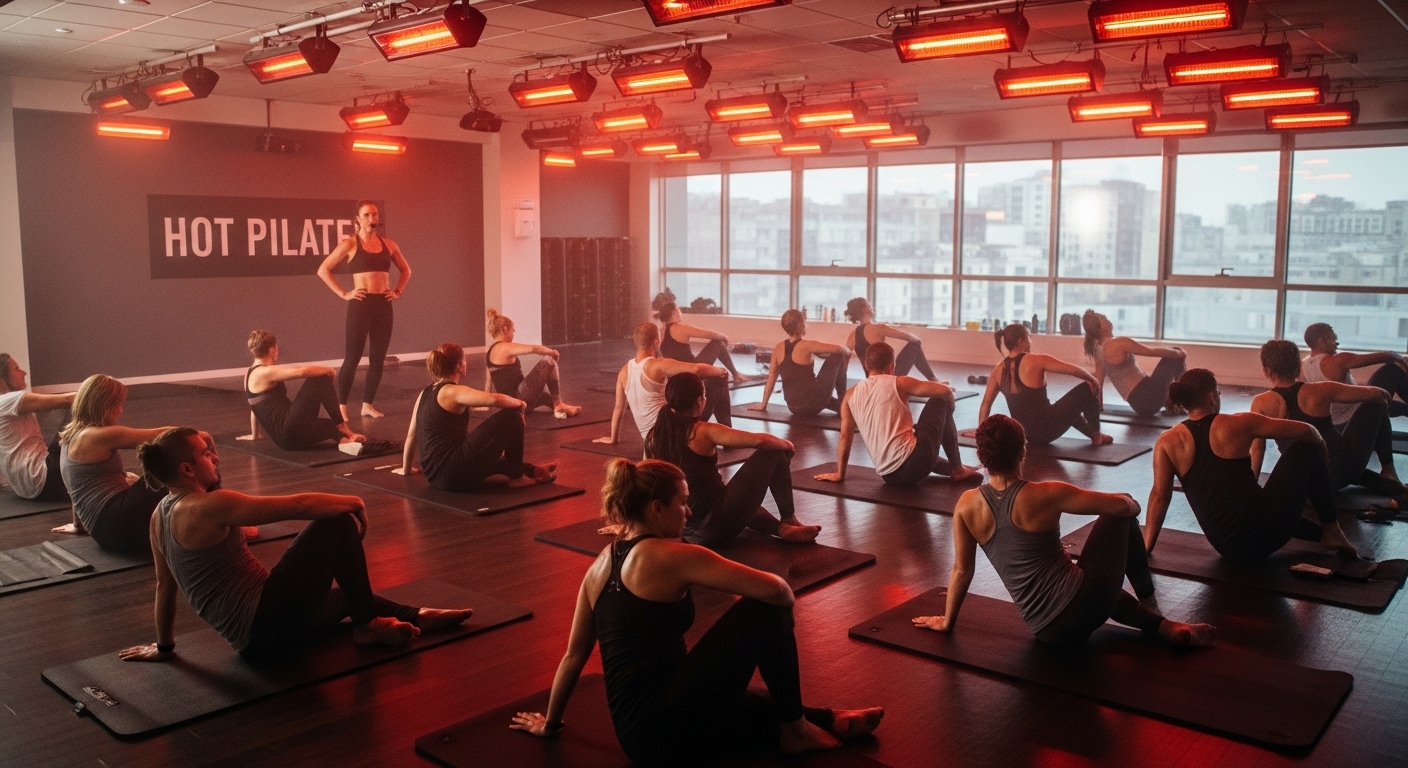
Hot Pilates is quickly becoming one of the most talked-about workouts in the modern fitness industry. Across boutique studios, gyms, and wellness centers, more people are signing up for heated Pilates sessions that promise stronger muscles, better flexibility, and intense calorie burn. Unlike traditional Pilates, which focuses mainly on slow and controlled movements, Hot Pilates adds an extra challenge by performing exercises in a heated room. The warm environment increases heart rate, encourages sweating, and makes the workout feel more intense and energizing.
The concept behind Hot Pilates is simple but powerful. It combines traditional Pilates movements with elements of strength training and high-intensity interval training, all performed in a studio heated to around 35–40°C (95–104°F). The elevated temperature helps warm the muscles quickly and may improve flexibility, allowing participants to move deeper into exercises. Because the body works harder in the heat, the workout often feels more demanding than regular Pilates while still remaining low-impact on the joints.
For many fitness enthusiasts, Hot Pilates offers the perfect balance between strength, endurance, and flexibility training. This combination is one of the reasons why studios around the world are adding it to their class schedules and marketing it as a modern evolution of Pilates.
What Is Hot Pilates?
Hot Pilates is a modern fitness workout that blends the core-strengthening principles of Pilates with the intensity of a heated training environment. The workout is usually performed on a mat and focuses on bodyweight exercises designed to strengthen the core, improve balance, and increase muscular endurance. The difference lies in the temperature of the room. Instead of a normal studio environment, the class takes place in a heated space designed to raise the body’s internal temperature and promote sweating.
A typical Hot Pilates class usually lasts between 45 and 60 minutes. It often begins with a warm-up that activates the core muscles and prepares the body for movement. After the warm-up, the instructor guides participants through a series of exercises that may include planks, squats, lunges, glute bridges, and abdominal movements. Many classes also include faster intervals to increase heart rate and boost calorie burn. Toward the end of the session, the workout slows down with stretching and breathing exercises that help the body cool down and recover.
Although the workout can be intense, Hot Pilates is generally accessible to people of different fitness levels. Instructors usually offer modifications so beginners can participate safely while experienced participants can push themselves further.
Hot Pilates vs Traditional Pilates
To understand why Hot Pilates has become so popular, it helps to compare it with traditional Pilates. Classical Pilates was originally designed as a method of improving posture, strengthening the core, and rehabilitating injuries. The movements are slow, controlled, and focused on precision. While it can still be physically challenging, the pace is usually calm and mindful.
Hot Pilates takes those same foundational movements and adds a layer of intensity. Because the room is heated, the cardiovascular system works harder to regulate body temperature. Participants tend to sweat more, which can make the workout feel more demanding and energizing. Many Hot Pilates classes also include faster sequences inspired by high-intensity interval training, making them feel closer to a full-body fitness workout than a traditional Pilates session.
Another key difference is the calorie expenditure. A typical traditional Pilates class may burn around 200 to 300 calories per hour, while a Hot Pilates class can sometimes burn 400 to 600 calories depending on intensity. This higher energy expenditure is one of the main reasons people interested in weight management are drawn to heated Pilates workouts.
Benefits of Hot Pilates
One of the biggest reasons Hot Pilates is gaining popularity is the wide range of physical and mental benefits it can provide. The workout combines strength, flexibility, and endurance training in a single session, which makes it appealing for people who want a complete fitness routine without spending hours in the gym.
One major benefit of Hot Pilates is increased calorie burn. The heated environment forces the body to work harder to regulate temperature, which raises heart rate and energy expenditure. When this is combined with strength and interval exercises, participants can experience a higher calorie burn compared to many traditional low-impact workouts.
Another benefit is improved flexibility. Warm muscles are generally more elastic and capable of stretching further without strain. The heat allows participants to move deeper into stretches and Pilates positions, which may gradually improve range of motion and reduce muscle stiffness over time.
Hot Pilates is also well known for strengthening the core muscles. Like traditional Pilates, the workout focuses heavily on the abdominal muscles, lower back, glutes, and pelvic floor. Strengthening these areas can improve posture, support the spine, and enhance stability during everyday activities or other sports.
The workout can also contribute to better cardiovascular fitness. Although Pilates is often associated with slow and controlled movements, many Hot Pilates classes include faster sequences that elevate the heart rate. This combination of resistance training and cardio may improve endurance and overall fitness.
Finally, many participants report that Hot Pilates helps reduce stress and improve mental focus. The intense workout combined with deep breathing and concentration can create a sense of mental clarity and relaxation after the session ends.
Why Fitness Studios Are Adding Hot Pilates Classes
Fitness studios are constantly searching for new classes that attract members and keep their schedules exciting. Hot Pilates fits perfectly into this strategy because it blends two already popular trends: Pilates training and heated workouts.
The demand for boutique fitness experiences has grown rapidly in recent years. Many people prefer group classes that feel energetic and community-driven rather than traditional gym workouts. Hot Pilates classes often feature upbeat music, dynamic instruction, and a supportive group environment that keeps participants motivated.
Another reason studios are adopting Hot Pilates is efficiency. Modern gym members often have busy schedules and prefer workouts that deliver maximum results in a short amount of time. A single Hot Pilates session can provide strength training, core work, flexibility improvement, and cardiovascular conditioning all in one class.
Studios also recognize that heated workouts have strong marketing appeal. Practices like hot yoga, hot barre, and infrared fitness classes have already attracted a dedicated audience. Hot Pilates naturally fits into this category, allowing studios to expand their class offerings while meeting current fitness trends.
What to Expect in Your First Hot Pilates Class
Trying Hot Pilates for the first time can feel both exciting and challenging. Because the room is heated, the experience is different from most traditional workouts. Participants should expect to sweat significantly more than usual, especially during the first few sessions as the body adjusts to the environment.
Before the class begins, it is important to hydrate well and bring a water bottle. Many participants also bring a towel because sweating is common throughout the workout. Wearing breathable, moisture-wicking clothing can help maintain comfort during the session.
During the class, the instructor will guide participants through a series of exercises designed to activate the core and strengthen the entire body. The pace may vary between slower Pilates movements and faster intervals that elevate the heart rate. Beginners are encouraged to listen to their bodies and take breaks when necessary.
After the workout, most people feel tired but energized. Stretching and cooling down help the body recover, and drinking water afterward is important to replace fluids lost through sweat.
Risks and Safety Considerations
Although Hot Pilates offers many benefits, exercising in a heated environment does require some caution. The most common risk associated with heated workouts is dehydration. Because the body sweats heavily during the class, participants may lose a significant amount of fluid. Without proper hydration, this can lead to dizziness, fatigue, or muscle cramps.
Some individuals may also experience heat exhaustion if they push themselves too hard in the heated environment. For this reason, beginners should approach the workout gradually and avoid overexertion during the first few sessions.
Hot Pilates may not be suitable for everyone. People with certain medical conditions, such as heart problems or heat sensitivity, should consult a healthcare professional before participating in heated workouts. Pregnant individuals are also often advised to avoid high-heat exercise environments.
When practiced safely under the guidance of a qualified instructor, however, Hot Pilates can be an effective and enjoyable workout for many people.
FAQ: Hot Pilates
Is Hot Pilates good for weight loss?
Hot Pilates can support weight loss because it combines strength exercises and cardio-style intervals that increase calorie burn. When combined with a balanced diet and regular exercise routine, it may help improve body composition and overall fitness.
How many calories does Hot Pilates burn?
The number of calories burned depends on workout intensity, body weight, and fitness level. However, many people burn between 400 and 600 calories during a 60-minute Hot Pilates session.
Is Hot Pilates suitable for beginners?
Yes, beginners can participate in Hot Pilates classes. Most instructors offer exercise modifications that allow new participants to work at their own pace while gradually building strength and endurance.
How often should you do Hot Pilates?
Many fitness experts recommend practicing Hot Pilates two to four times per week. This schedule allows the body to recover while still providing consistent training benefits.
What should you wear to a Hot Pilates class?
Lightweight, breathable workout clothing made from moisture-wicking fabric is recommended. These materials help manage sweat and keep the body more comfortable during the heated workout.
Final Thoughts
Hot Pilates represents a modern evolution of traditional Pilates by combining core-focused exercises with the intensity of a heated workout environment. The practice offers a unique mix of strength training, flexibility improvement, and cardiovascular conditioning in a single class. Because of these benefits, it has become a popular addition to fitness studios and boutique gyms around the world.
For individuals looking for a challenging yet low-impact workout that improves overall fitness, Hot Pilates can be an exciting option. When performed safely and with proper hydration, it provides an energizing experience that strengthens the body while supporting mental focus and relaxation.