
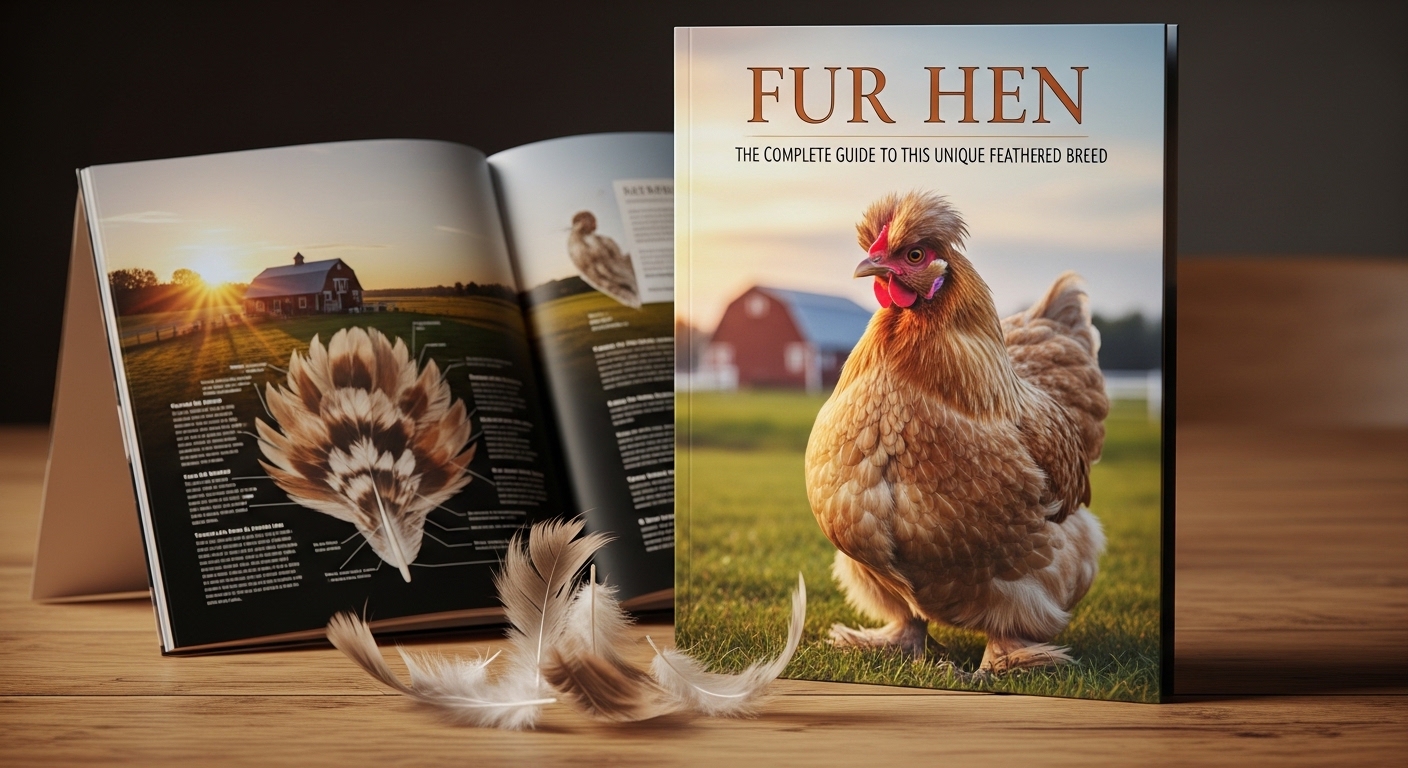
If you’re curious about unusual poultry breeds that turn heads in the yard, on the farm, or on social feeds, you’ve probably stumbled on the term “fur hen.” But what exactly is it?
In this deep‑dive guide, we’ll explore:
- What a fur hen really is
- The history behind these birds
- Different breeds often labelled “fur hens”
- Benefits of keeping them
- How to care for these special chickens
- Nutrition, behavior, and common myths
- Tips for prospective owners
Whether you’re a poultry enthusiast, backyard farmer, or just someone who loves unique animals, you’ll walk away with a full understanding of the fur hen phenomenon.
1. What Is a Fur Hen?
At first glance, the name might sound confusing after all, birds don’t have fur. But what people refer to as a “fur hen” is typically a chicken breed with exceptionally soft, dense plumage that looks almost like fur.
In reality, it’s still feather but due to the structure of these feathers, some breeds feel more like plush or fur, not the sleek, waterproof plumage most chickens have.
These birds are beloved for their distinctive appearance, and many poultry keepers prize them for:
- Their friendly and calm personalities
- Ornamental appeal
- Unique feathers that make them stand apart from standard chickens
So while “fur hen” isn’t an official species name in scientific taxonomy, it’s a widely used term in hobby farming and poultry circles for this type of bird.
2. Origins & History of Fur Hens
The idea of fuzzy‑looking chickens isn’t new.
The Silkie Connection
The most famous “fur hen” is the Silkie chicken a breed that has existed for centuries and is believed to have originated in ancient China, possibly as early as the Tang dynasty.
Silkies were prized for their:
- Soft, silk‑like feathers
- Calm demeanor
- Use in traditional medicine and special cuisine in some cultures
European travelers and traders brought Silkies back to the West as early as the 13th–14th century, where they became ornamental birds loved by aristocrats and poultry hobbyists alike.
Over time, the term “fur hen” emerged to describe Silkies and other breeds with unusual feather structures essentially connecting “fur” and “hen” in common parlance.
3. Most Common Fur Hen Breeds
Not all “fur hens” are identical. There are a few poultry breeds that fall into this fuzzy category:
A. Silkie Chicken
- The archetypal fur hen breed
- Feathers lack barbicels the tiny hooks that give regular feathers structure
- Results in a fluffy, downy appearance
- Comes in multiple colors: white, black, blue, splash, buff, etc.
Silkies are often the first bird people think of when they hear “fur hen.”
B. Cochin
- Larger breed with soft, abundant feathers
- Not as “furry” as Silkies but still plush‑looking
- Calm temperament, great for backyard flocks
C. Frizzle Chicken
- Not technically a fur hen, but often grouped with them
- Feathers curl outward, creating a unique, fluffy look
- Requires special care for feather condition
4. Why Are Fur Hens So Popular?
People keep fur hens for many reasons from hobby enjoyment to practical backyard benefits:
A. Ornamental & Aesthetic Appeal
Let’s be honest fur hens are adorable.
Their fluffy feathers, often compared to soft toys rather than poultry, make them standout flock mates or backyard companions.
Many owners report that they are a conversation starter with neighbors and guests.
B. Great Temperament for Families
Fur hens tend to be known as:
- Calm
- Social
- Easy to handle
This means they’re often recommended for beginners, families with kids, and backyard hobbyists alike.
C. Functional Poultry
While not always top producers like some commercial egg breeds, fur hens do lay eggs, and their contributions to a small flock can be steady.
D. Unique Feathers and Shows
Show breeders and poultry fanciers prize these hens in poultry shows and exhibitions due to their unusual feathering and variety of colors.
5. How to Care for a Fur Hen (Best Practices)
Owning a fur hen is delightful but they do require specific care to keep them healthy and happy.
A. Coop & Shelter
Fur‑like feathers aren’t waterproof. That means:
- Provide dry shelter
- Avoid muddy or wet conditions
- Ensure adequate ventilation without drafts
Because their feathers lack structure, wet weather can weigh them down and chill them.
B. Diet & Nutrition
Fur hens thrive on a balanced poultry diet:
Layer feed or all‑flock feed
Clean water daily
Occasional treats like greens and kitchen scraps
Proper feeding supports overall health and feather condition.
C. Feather & Hygiene Care
Their fluffy plumage is prone to:
- Getting dirty
- Attracting mites or lice
- Getting tangled
Periodically inspect and gently clean feathers. Watch for parasites and keep bedding fresh.
D. Social Needs
These birds are social they enjoy flock companionship. Keeping at least two or more is recommended.
6. Health & Common Issues to Watch
Fur hens generally live healthy lives, but their soft feathers make them more vulnerable to:
- Cold, damp weather
- Parasites hiding in feathers
- Foot feather issues (if the breed has extra plumage on legs)
Annual check‑ups with a vet familiar with poultry can help staple long‑term health.
7. Nutrition & Egg Production
Fur hens like Silkies do produce eggs usually small to medium brown eggs but they aren’t the top layers compared to breeds like Leghorns.
Still, for backyard keepers, the steady output plus their ornamental charm makes them a popular dual‑purpose choice.
8. Fur Hens in Culture & Traditions
In East Asian cultures, particularly China, certain fuzzy chicken breeds were historically valued not just as pets but for culinary or traditional uses. Although mainstream U.S. diets don’t emphasize these birds for meat, their long cultural history as valued animals persists.
9. Debunking Common Myths About Fur Hens
Myth: “They’re just pets, not useful.”
Fact: They provide eggs and enrich backyard ecosystems.
Myth: “Fur hens are always high‑maintenance.”
Fact: With basic care standards, they’re manageable for beginners.
10. Are Fur Hens Right for You?
Here’s a practical checklist before getting started:
Do you have space for a coop and run?
Can you protect birds from wet, cold conditions?
Do you enjoy hands‑on poultry care?
Are you ready for social, flock‑oriented animals?
If yes, a fur hen especially a Silkie could be a wonderful addition to your homestead, hobby farm, or even your backyard.
Final Thoughts
Fur hens are much more than just an internet fad they are distinctive, beloved poultry breeds with rich histories, unique feathering, and a loyal following among farmers and pet keepers alike.
Their gentle nature, ornamental charm, and relative ease of care make them a great choice for anyone interested in unique backyard poultry. Whether you want a memorable pet, a steady small egg producer, or a showstopper breed, fur hens deserve a place in modern flocks everywhere.
FAQs
Q: Are fur hens good with children?
Yes they tend to be calm and friendly, making them good introductory poultry for families.
Q: Do they need special winter care?
Due to their delicate plumage, ensure dry, insulated shelters in cold, wet seasons.
Q: Can fur hens fly?
Like most chickens, they can flutter short distances but are not strong flyers.